
Packed with purpose
Our move toward circular packaging
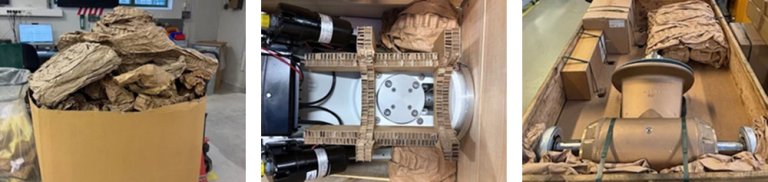
At Sleipner, we continuously work to improve how we design, produce and deliver products. This also applies to how we pack and ship them.
We are gradually transitioning away from plastic and foam based packaging and moving toward paper based, recycled and reusable materials. The goal is simple: reduce environmental impact while maintaining the same high level of protection and quality, and even make the waste handling easier and cheaper for our customers.
What is changing
You may notice that your product is now packed using:
-
Recycled or recyclable cardboard
- Molded fiber or paper cushioning
- Wooden supports or crates
- Reused packaging materials from our supply chain
These solutions are carefully designed and tested to ensure the same production you expect from Sleipner.
Why we are doing this
Packaging plays a big role in a product's total footprint. By redesigning our packaging solutions, we aim to:
-
Reduce the use of virgin plastic
-
Increase recycled content
-
Support circular material flows
-
Minimize waste
-
Collaborate with suppliers on reuse systems
-
Ensure compliance with applicable rules and regulations
- Reduce waste handling costs for our customers
In many cases, we already reuse packaging delivered by our partners. This extends the life of the materials and keeps valuable resources in circulation for longer.
Climate impact in perspective
The climate impact of packaging depends on several factors, including design, weight, logistics and how often packaging is reused.
Using commonly referenced industry reporting factors for material production:
-
Producing 1 kg of plastic packaging material typically results in approximately 2.5 to 3.5 CO₂e, depending on polymer type and energy mix
-
Producing 1 kg of paper or cardboard packaging material typically results in approximately 0.8 to 1.1 kg CO₂e, depending on fiber source, recycled content and production process
This means that, per kilogram of material, replacing plastic with paper based alternatives can often reduce emissions by approximately 1.5 to 2.5 kg CO₂e, provided the packaging delivers the same level of protection.
The largest reductions are achieved when packaging is reused. By keeping materials in circulation across multiple shipments, the carbon footprint per delivery decreases over time.
Working together
This transition is part of a broader effort across Sleipner Group and our supplier network. We continue to improve material while maintaining the quality, reliability and performance you expect from our products.